430 E 20th St Suite # MH, New York, NY 10009
By Stuyvesant Dental | March 17, 2026
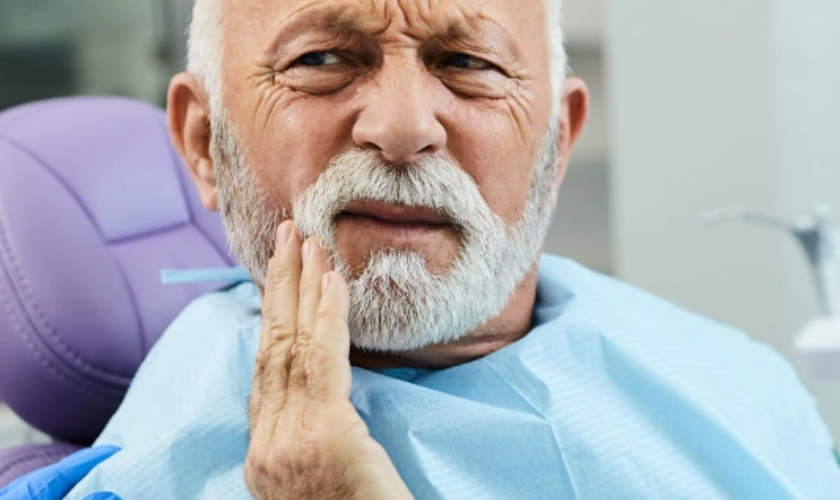
A chipped tooth can occur unexpectedly. It may happen while biting into a toasted bagel on a busy morning, slipping on a rainy sidewalk in Manhattan, or playing pickup basketball in the neighbourhood. The instant a tooth fractures or chips, it can cause jagged agony, bleeding, or sensitivity that makes even normal activities such as speaking or eating painful.
In a fast-paced city like NYC, most people don’t know what to do when dental injuries happen. But acting quickly can save the tooth and prevent deterioration. Knowing what to do before seeing an emergency dentist can keep you from pain, protect the structure of your teeth, and make treatment much easier once you get into the office.
Immediate Actions to Protect a Broken Tooth
The first moments after a tooth breaks are crucial. That can help stabilise the situation and prevent further harm while you make arrangements for care.
1. Stay Calm and Inspect the Tooth
Once the initial shock has passed, examine the tooth closely using a mirror or by carefully running your tongue over it to see if you can feel any cracks or breaks. Check for missing parts, ragged edges, or signs of bleeding. That quick examination allows us to gauge the extent of the damage, so we don’t put any unnecessary pressure on the tooth.
2. Gargle With Lukewarm Water
It removes debris and food particles around the tooth after a gentle rinse. Warm water cleans the area without hurting the exposed part of your tooth. Steer clear of hot or very cold water, as temperature changes can prompt sensitivity.
3. Control Bleeding Around the Area
If the gum or surrounding tissue is bleeding, apply a fresh piece of gauze to that site and press for several minutes. Gentle pressure typically helps slow the bleeding and allows the tissue to stabilise.
4. Use a Cold Compress to Decrease Swelling
Place an ice pack or cold compress on the outside of your cheek, close to the injury. This can reduce swelling and offer brief relief from pain while you get ready to seek treatment.
5. Do Not Chew On The Side Of Injury
Avoid getting food on or near the broken tooth. When it fractures, chewing on that side can worsen the fracture or increase pain. Soft foods and liquids are typically safer until the tooth can be evaluated.
These measures also help stabilise the situation until an emergency dentist in New York can examine the damage.
Symptoms That The Tooth Needs Urgent Care
Some cracks appear small at first, but they can indicate damage more serious inside the tooth. Being aware of the warning signs can help you determine if urgent care is needed.
- Persistent or Throbbing Pain: Persistent pain can be a sign that the fracture has penetrated to the inner pulp, which contains nerves. The irritation in this area is usually exacerbated over time.
- Visible Swelling Around the Tooth or Face: Swelling can indicate inflammation or infection. It can occur hours after injury, and should be treated seriously.
- Sharp Edges That Bite the Tongue or Cheek: Fractured enamel may have sharp edges that can irritate soft tissues in the mouth. These edges must be covered temporarily and inspected immediately.
- A Tooth That’s Loose or Unstable: If the tooth has any movement, that may indicate something is going on with the structures supporting it due to the injury.
- Increased Sensitivity to Air or Temperature: Just be careful of sharp pain on exposure to cold air or drinks; the protective enamel layer may have been compromised.
These conditions are treatable if caught early. It’s important to recognise the signs so that no surrounding teeth are affected.
Common Situations That Lead to Broken Teeth
Dental injuries frequently occur during routine daily activities. In a bustling metropolis like Manhattan, the following unexpected situations can put pressure on teeth:
- Hard Foods and Sudden Bites: Food like ice, popcorn kernels, or even really hard candies – anything that can be bitten forcefully into, causing a sudden fracture.
- Sports and Recreational Activities: Basketball on community courts or recreation in city parks can sometimes result in unintentional collisions or falls.
- Slip-ups on Wet Streets or Subway Steps: Inclement weather, along with nearby subway exits or congested street corners, increases the risk of falls.
- Cycling or Scooter Accidents: Painful collisions with city traffic sometimes lead to dental trauma.
- Teeth Already Weakened by Decay: Teeth with caries or worn fillings may crack more easily during routine chewing.
These day-to-day scenarios illustrate why awareness and taking fast action are key following an injury.
Preventing Cracked Teeth With Simple Habits
Accidents happen, some of which are unavoidable, but some bad habits can weaken and even damage teeth. Here’s what to avoid for staying on top of your dental health:
- Avoid Chewing Hard Objects: Ice, pen caps, and hard candies can exert significant pressure on enamel, leading to fractures.
- Use Mouthguards During Physical Activities: Mouthguards provide cushioning for teeth during sports or recreational activities involving sudden contact with another person.
- Address Dental Problems Early: Untreated cavities can weaken tooth structure and increase the risk of fracture.
- Avoid Using Teeth as Tools: Opening a bottle, ripping open packaging, or cracking nuts with teeth can cause immediate damage.
- Maintain Consistent Oral Hygiene: Regular brushing and flossing help maintain enamel strength and prevent tooth decay.
These preventive steps can considerably reduce the risk of sudden dental mishaps.
Holding the Tooth in Place Until You Can Get to a Dentist
Once a tooth breaks, the objective is to minimise further damage until you see an emergency dentist in New York.
- Cover Sharp Edges Temporarily: Dental wax or sugar-free gum can be used to smooth rough edges and reduce irritation.
- Soft Foods and Liquids: Do not eat crunchy or hard foods that may put pressure on the injured tooth.
- Avoid Extreme Temperatures: Extreme temperature changes in food may heighten sensitivity to a cracked tooth.
- Handle Tooth Fragments Carefully: If a tooth fragment is broken off, gently rinse it and bring it to the dental office. It could assist with the restoration process.
These precautions shield the tooth while treatment is awaited.
Acting Quickly Can Protect Your Smile
A broken tooth can cause panic when it happens. But the immediate response to an injury often dictates how easily a tooth can be restored. Mouth rinsing, protecting the tooth, and avoiding pressure to the affected area can prevent further damage.
Prompt care matters anytime a dental injury occurs. At Stuyvesant Dental, we evaluate patients who have suddenly fractured a tooth and can discuss the appropriate treatment. If a chipped tooth breaks up your day, an urgent visit helps ensure the tooth gets treated before it’s even worse.
FAQs
1. Can a broken tooth heal without treatment?
A broken tooth cannot repair itself because enamel does not regenerate. Even small fractures weaken the tooth structure. Without treatment, the crack may expand, allowing bacteria to reach deeper layers and potentially causing infection or further structural damage.
2. What should I do if my broken tooth does not hurt?
Even painless fractures should be evaluated. A tooth may break without immediately affecting the nerve, but the damaged area remains vulnerable. Early examination helps determine the fracture’s depth and prevent future complications.
3. Can a broken tooth become infected?
Yes. When enamel or dentine is damaged, bacteria can enter the inner portion of the tooth. Over time, this may lead to infection, swelling, or abscess formation. Prompt treatment helps prevent bacteria from reaching sensitive internal structures.
4. Why does a broken tooth feel sharp?
When enamel chips away, it can leave uneven or jagged edges. These edges may irritate the tongue, cheek, or lips. Temporary coverage with dental wax or sugar-free gum can protect soft tissues until the tooth is examined.
5. Should I keep the piece of a broken tooth?
Yes. If you find the fragment, rinse it gently and bring it to the dental office. While the piece may not always be reattached, it can help the dental team evaluate the fracture and plan the most suitable restoration.
6. Is chewing safe after a tooth breaks?
Chewing on the injured tooth should be avoided. Chewing pressure may deepen the fracture or cause additional pain. Soft foods and avoiding the damaged side of the mouth help protect the tooth until treatment is provided.