430 E 20th St Suite # MH, New York, NY 10009
By Stuyvesant Dental | April 1, 2026
Tooth Pain in Manhattan? Here’s What You Need to Know
Life in Manhattan moves fast—and the last thing anyone wants is to be slowed down by dental pain. Whether you’re commuting through Stuy Town, heading to work, or enjoying the city, a problematic tooth can quickly disrupt your day.
At Stuyvesant Dental, Dr Jasjit Basra and Dr Harry Pascal understand how important it is to address dental issues quickly and comfortably. If you’ve been told you may need a tooth extraction, you might feel anxious or unsure about what to expect.
The good news? Modern dentistry has made tooth extractions far more comfortable and predictable than most people imagine.
Why a Tooth Extraction May Be Necessary
Common Reasons for Extraction
Tooth extractions are typically recommended when a tooth cannot be saved through other treatments. Some common reasons include:
- Severe decay or infection
- Advanced gum disease
- Impacted teeth (such as wisdom teeth)
- Cracked or damaged teeth beyond repair
- Overcrowding before orthodontic treatment
In many cases, removing the tooth is the best way to protect your overall oral health.
Before the Procedure: Preparing for Your Visit
A Thorough Evaluation
Before your procedure, your dentist will perform a comprehensive exam, including X-rays, to understand the condition of your tooth and surrounding structures.
This step ensures:
- Accurate diagnosis
- Safe and precise treatment planning
- Identification of any potential complications
Discussing Comfort Options
At Stuyvesant Dental, patient comfort is a top priority. Your dentist will discuss options such as:
- Local anesthesia to numb the area
- Nitrous oxide (laughing gas) for relaxation
This ensures you feel calm and comfortable throughout the procedure.
What You Should Do Before Your Appointment
To prepare for your visit:
- Eat a light meal (unless instructed otherwise)
- Avoid alcohol beforehand
- Arrange transportation if sedation is used
These simple steps can help make your experience smoother.
During the Procedure: What It Actually Feels Like
A Comfortable, Controlled Process
One of the biggest misconceptions about extractions is that they are painful. In reality, the procedure is designed to be as comfortable as possible.
Once the area is numbed:
- You may feel pressure, but not pain
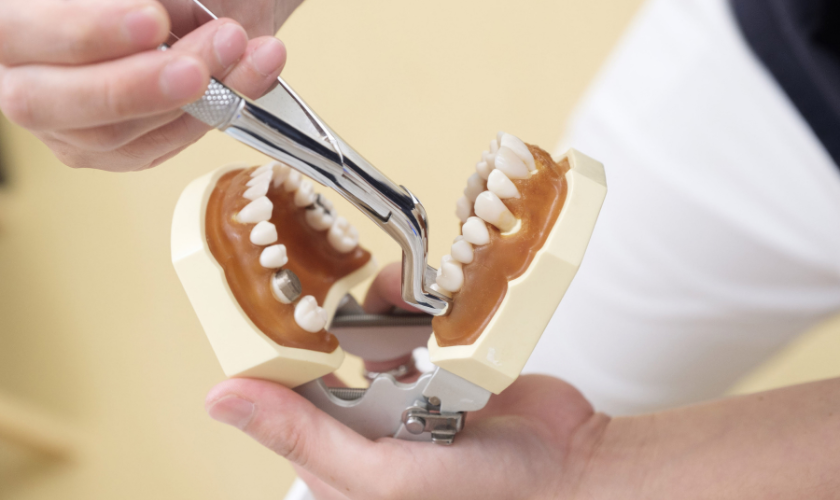
- The tooth is gently loosened and removed
- The process is typically quick and efficient
Advanced Techniques for Better Outcomes
Modern dental techniques allow for:
- Minimally invasive procedures
- Faster recovery times
- Reduced discomfort
If you’re considering a tooth extraction in Manhattan, you can expect a much more comfortable experience than in the past.
After the Procedure: Healing and Recovery
What to Expect Immediately After
After the extraction, it’s normal to experience:
- Mild swelling
- Slight bleeding
- Temporary discomfort
Your dentist will provide detailed aftercare instructions to help you heal properly.
Essential Aftercare Tips
To promote healing:
- Bite down on gauze to control bleeding
- Avoid using straws for the first 24 hours
- Stick to soft foods like yogurt or soup
- Apply a cold compress to reduce swelling
How Long Does Recovery Take?
Most patients begin to feel better within a few days, with full healing typically occurring within 1–2 weeks.
Following your dentist’s instructions closely can help prevent complications and speed up recovery.
Replacing the Extracted Tooth: What Are Your Options?
Why Replacement Matters
Leaving a gap after extraction can lead to:
- Shifting of surrounding teeth
- Bone loss in the jaw
- Changes in bite alignment
Common Replacement Options
Your dentist may recommend:
- Dental implants for a long-term solution
- Bridges to restore function
- Partial dentures for affordability
Discussing these options ensures your smile remains healthy and complete.
Addressing Common Fears About Tooth Extraction
“Will It Hurt?”
With modern anaesthesia and techniques, most patients experience little to no pain during the procedure.
“How Long Will I Be Out of Action?”
Most people return to normal activities within a day or two, depending on the complexity of the extraction.
“Is It Safe?”
Yes, tooth extractions are routine procedures performed safely every day by experienced dental professionals.
Why Manhattan Patients Trust Stuyvesant Dental
Expertise You Can Rely On
Dr Jasjit Basra and Dr Harry Pascal bring experience and precision to every procedure, ensuring high-quality care.
Patient-Centered Approach
Every patient receives:
- Clear communication
- Personalized treatment plans
- Compassionate care
Convenient Manhattan Location
Located in the heart of Manhattan, Stuyvesant Dental makes it easy for patients to access care without disrupting their busy schedules.
When Should You See a Dentist?
Don’t Wait for Severe Pain
If you’re experiencing:
- Persistent tooth pain
- Swelling or infection
- Difficulty chewing
It’s important to seek care as soon as possible.
Early intervention can prevent complications and make treatment simpler.
Final Thoughts: Stress-Free Care Is Possible
Tooth extractions may sound intimidating, but with the right dental team, they can be a smooth and manageable experience.
From your initial consultation to recovery, the focus is on your comfort, safety, and long-term oral health.
If you’re dealing with dental discomfort in Manhattan, taking action now can help you avoid bigger problems later.
FAQs
1. How much does a tooth extraction cost in Manhattan?
Costs vary depending on the complexity of the extraction. A consultation will provide an accurate estimate.
2. Can I go back to work after a tooth extraction?
Many patients return to work the next day, though it’s best to rest if possible.
3. What should I eat after an extraction?
Soft foods like yogurt, mashed potatoes, and soup are recommended during the initial recovery period.
4. How do I prevent dry socket?
Avoid smoking, using straws, and disturbing the extraction site during healing.
5. Do I need to replace the extracted tooth?
In most cases, replacing the tooth is recommended to maintain oral health and function.