430 E 20th St Suite # MH, New York, NY 10009
By Stuyvesant Dental | March 16, 2026
Missing teeth impact much more than just appearance. When a tooth is lost, even simple actions like chewing, speaking, or just smiling can become difficult. Over time, gaps in the smile can also affect not just jawbone health but also cause nearby teeth to shift out of place. For many adults, replacing a complete and functioning smile is an integral step toward achieving better overall oral health.
In a bustling city like New York, from finding lunch in Union Square to walking through Stuyvesant Square Park, people rely on strong, healthy teeth to keep up with daily routines. It is a long-term solution to tooth loss, but not everyone qualifies automatically. Learning what qualifies can give you an idea of whether this option might be the right fit for you.
Understanding Implant Treatment: How it Works
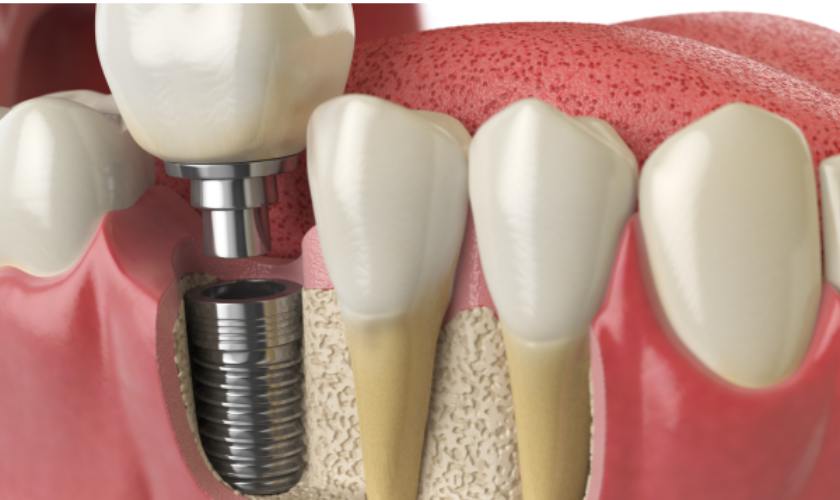
Dental implants serve to fill any gaps left by missing teeth, with a small titanium post that is placed into the jawbone. This post serves as a new tooth root. The surrounding bone slowly fuses with the implant through a process known as osseointegration.
After the bone and implant have fused, a custom restoration, such as a crown, can be placed on top. As a result, an artificial tooth gets ready to act like a real one. Implant dentists use this approach, as it restores stability and helps preserve the jawbone after tooth loss. However, an implant dentist assesses several health conditions before recommending dental implants in New York to ensure the procedure is successful.
How to Know If You Might Be a Good Fit?
Although each situation is different, several signs may indicate that someone is eligible for implant treatment. You could be a fit if you:
- Have 1 or more missing teeth
- Have enough bone density in the jaw to support an implant
- Have healthy gums without active infection
- Maintain consistent oral hygiene habits
- Are healthy enough for small dental surgery
- Are committed to regular dental check-ups
These factors ensure that the implant fuses correctly with the surrounding bone and maintains long-term stability.
The Role of Jawbone Health for Implants
Jawbone strength is one of the most important considerations in gum implant candidacy. When a tooth is lost, the bone that had supported it shrinks over time. This is a natural process that happens because there is no longer any stimulation of chewing forces at the bone.
For implants to work successfully, the jaw must have a strong foundation. A good implant dentist starts with imaging and examination of bone health to evaluate the following:
- Bone height and width
- Bone density
- General structural hold in the jaw
If bone loss has occurred, other procedures, such as bone grafting, may occasionally assist in rebuilding the area, as this should take place prior to placing your implant.
Gum Health and Why It Matters
The gums must be healthy for implant treatment to be successful. Surrounding the implant, the gum tissue needs to remain stable and infection-free.
Patients with untreated gum disease may need periodontal treatment before proceeding with implants. By treating the inflammation and infection, you allow the gums to heal properly, creating a healthier environment for long-term stability.
Here are some red flags that may require immediate attention:
- Bleeding during brushing or flossing
- Persistent gum swelling
- Gum recession
- Chronic bad breath
Early treatment of these conditions enhances the probability of successful integration of an implant.
Lifestyle Factors That Influence Eligibility
Some lifestyle habits also might come into play when it comes to candidacy. Smoking, for example, can slow healing and impair the body’s ability to bond the implant with the bone. This does not always eliminate the possibility of implant treatment; patients are encouraged to decrease or cease smoking during the healing phase.
Other considerations include:
- Medical conditions that impair healing
- Some medications that affect bone health
- Teeth grinding or clenching habits
- Overall immune system health
A comprehensive consultation can help assess whether these attributes could potentially impact results.
Age and Implant Eligibility
Many people select implant treatment as a dependable solution to long-term tooth replacement. Many ask whether age is a factor in determining dental implant candidacy. The answer is often no, as implant therapy can be very beneficial to adults of all ages. Instead, overall oral health and bone health matter more for this treatment.
Young adults are eligible for implants after complete jaw growth. Older adults can successfully receive implants, provided their bone structure and health are adequate for the procedure.
A Need for a Comprehensive Assessment
An implant dentist conducts a thorough evaluation of the patient before they recommend treatment. This assessment can help predict whether implants are predictable in function and stable for years. The assessment often includes:
- Detailed oral examination
- Digital imaging or 3D scans
- Gum health evaluation
- Bite alignment analysis
- Review of medical history
Following these steps enables identifying potential challenges and customising the treatment plan specifically for each patient. This assessment addresses critical queries and provides clarity regarding the most appropriate choices for rejuvenating your smile.
How Long-Term Oral Health Benefits from Implants
Aside from replacing missing teeth, implants also have other benefits. When the jawbone is properly integrated with them, they can assist:
- Preserve bone structure
- Prevent shifting of surrounding teeth
- Improve chewing efficiency
- Support natural facial shape
- Enhance overall oral stability
Many patients who are receiving oral implants in New York put great value in these health benefits for the long term. This is because they impact both facial structures and functions after losing teeth.
Taking the Next Step Toward Restoring Your Smile
Understanding your oral and bone health starts with knowing which implants are right for you. Details of implant treatment have to be examined thoroughly in order to evaluate its benefits, as it has been established that it is a stable and durable treatment method for rehabilitating missing teeth and helping one regain their day-to-day comfort.
If you’ve been living with missing teeth or have considered a more stable replacement option, consulting with an implant dentist can help. To find out if implant treatment is the best choice for you, call us at Stuyvesant Dental and book a visit as soon as possible. Let our professional team assist you in learning which options are the best to restore your smile in the perfect way.
FAQs
Who is generally considered a good candidate for dental implants?
A suitable candidate typically has healthy gums, sufficient jawbone support, and good overall health. The mouth should be free from active infections or untreated gum disease. A consultation helps determine whether the bone structure and oral condition are sufficient to support successful implant placement.
Can someone with bone loss still receive dental implants in Manhattan, NYC?
Bone loss does not always prevent implant treatment. In some situations, procedures such as bone grafting can help rebuild the jawbone and create a stronger foundation. A detailed evaluation and imaging help determine whether additional preparation is needed before implant placement.
How long does the implant process usually take?
The timeline varies depending on healing and individual oral health. Implant placement is usually followed by a healing period that allows the bone to fuse with the implant. Once integration occurs, the final restoration can be attached to complete the tooth replacement.
Can implants replace more than one missing tooth?
Yes. Implant treatment can replace a single missing tooth, multiple teeth, or even support a full arch restoration. The number and placement of implants depend on the condition of the jawbone and the type of restoration planned for the patient’s needs.