430 E 20th St Suite # MH, New York, NY 10009

By Stuyvesant Dental | June 8, 2026
If your dentist has ever told you that you need more than a routine cleaning, you may have felt confused or even anxious. Understanding why your dentist might recommend a deep cleaning instead in New York can ease those worries. A deep cleaning is not a punishment — it is a clinical response to a specific oral health condition. Knowing the difference helps you make informed decisions about your care.
At Stuyvesant Dental Manhattan, Dr. Jasjit Basra helps patients understand every recommendation clearly. This article breaks down what separates a routine cleaning from a deep cleaning and when each is appropriate.
What Happens During a Routine Cleaning?
A routine dental cleaning is also called a prophylaxis. It targets the surfaces of your teeth above the gum line. A dental hygienist removes plaque and tartar buildup during this visit. They also polish your teeth and check your gum health.
Routine cleanings are recommended every six months for most patients. They work best when gum disease has not yet developed. Think of them as maintenance for a healthy mouth. They prevent problems before they start.
During a routine visit, your hygienist may also take Digital X-rays to check for issues beneath the surface. Early detection during these visits can prevent more complex treatment later. Regular exams and cleanings are the foundation of strong oral health.
Why Your Dentist Might Recommend a Deep Cleaning Instead in New York
A deep cleaning — clinically known as scaling and root planing — goes further than a routine visit. It targets the area below the gum line. This procedure addresses bacteria, plaque, and tartar that have collected in the pockets between your teeth and gums.
Your dentist will recommend this treatment when signs of gum disease are present. Gum disease progresses in stages — gingivitis is the earliest, while periodontitis is more advanced. Once bacteria reach below the gum line, a routine cleaning cannot remove them effectively. A deeper approach becomes necessary.
Patients in New York often ask why the recommendation feels sudden. In many cases, gum disease develops silently. You may not feel pain or notice symptoms until the condition has advanced. That is why regular exams are so important — they catch these changes early.
- Gum pockets deeper than 3–4 mm may signal early gum disease
- Bleeding or swollen gums are common warning signs
- Bone loss visible on X-rays often indicates advanced disease
- Persistent bad breath can point to bacterial buildup below the gum line
- Tooth sensitivity or gum recession may also be indicators
What to Expect During a Deep Cleaning Procedure
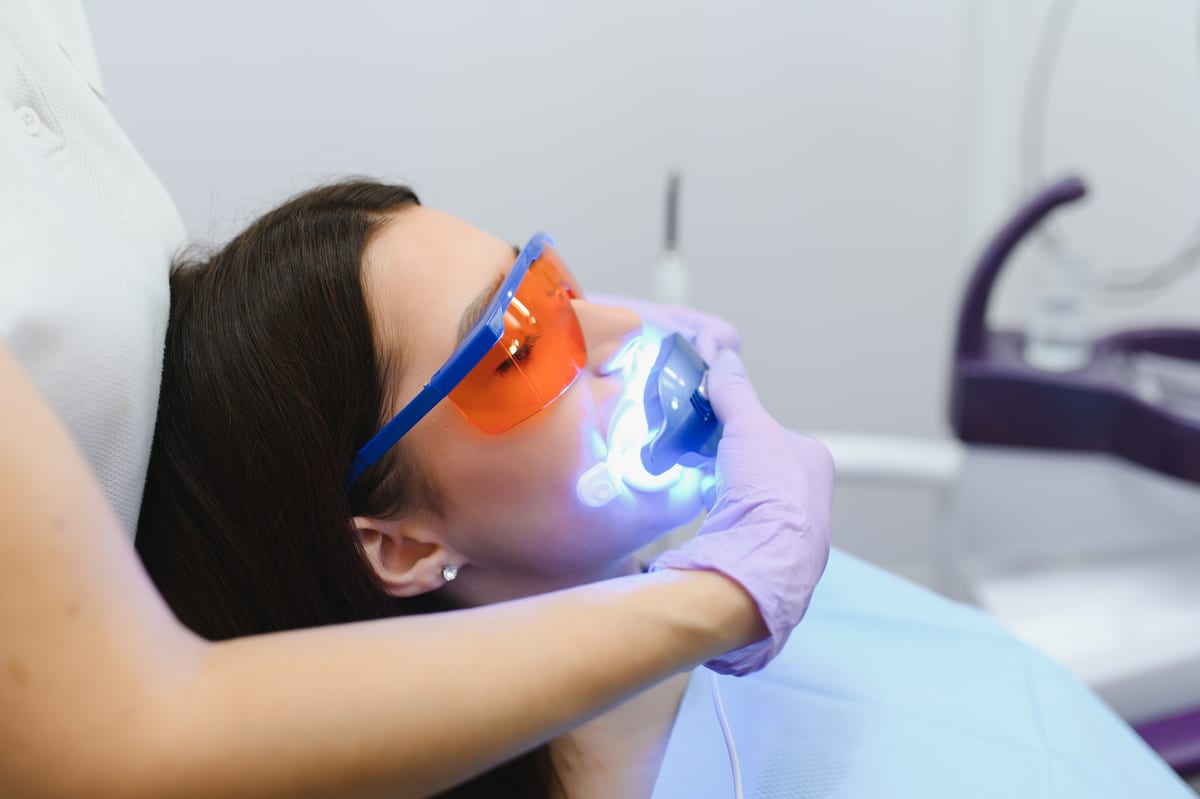
A deep cleaning typically takes place over one or two appointments. Your dentist may divide the mouth into quadrants to treat one section at a time. Local anesthesia is often used to keep you comfortable throughout the process. Some patients also benefit from Nitrous Oxide Sedation to stay relaxed during treatment.
The scaling step removes tartar and bacterial deposits from below the gum line. The root planing step smooths the root surfaces of your teeth. Smooth roots make it harder for bacteria to reattach. This gives your gums a better chance of healing and reattaching to your teeth.
After treatment, you may experience some sensitivity or tenderness. This usually fades within a few days. Your dentist will schedule a follow-up visit to assess how well your gums have responded. Healing takes time, but most patients see significant improvement.
- Your dentist measures gum pocket depths at your exam
- Local anesthesia is applied to the treatment area
- Scaling removes tartar and bacteria below the gum line
- Root planing smooths the root surfaces to discourage reattachment
- A follow-up visit confirms gum tissue is healing properly
How Deep Cleaning Differs From Routine Cleaning: A Side-by-Side View
The most important distinction is location. Routine cleanings address what is above the gum line. Deep cleanings address what is below it. This difference determines which treatment your dentist recommends.
Another key difference is purpose. Routine cleanings maintain healthy gum tissue. Deep cleanings treat active gum disease. One prevents; the other intervenes. Both are essential — just at different stages of oral health.
Cost and time also differ between the two procedures. A routine cleaning is shorter and typically completed in one visit. A deep cleaning requires more time, more precision, and often multiple appointments. The added investment reflects the complexity of the care involved.
- Routine cleaning: Above the gum line, preventive, one short visit
- Deep cleaning: Below the gum line, therapeutic, may span two visits
- Routine cleaning: For healthy or minimally affected gums
- Deep cleaning: For diagnosed gum disease or deep pockets
What Happens If You Skip a Recommended Deep Cleaning?
Declining a deep cleaning when one is needed can have real consequences. Gum disease does not resolve on its own. Without treatment, it continues to progress. This can lead to tooth loss, bone damage, and systemic health concerns.
Untreated gum disease has been linked to conditions like heart disease and diabetes. The bacteria in infected gum tissue can enter your bloodstream. This makes oral health far more than a cosmetic concern. Your mouth and body are deeply connected.
In some cases, delayed treatment may eventually require Tooth Extractions if teeth become too damaged to save. Gum disease is one of the leading causes of adult tooth loss in the United States. Early intervention almost always leads to better outcomes. Addressing it now protects your smile long-term.
If decay or damage is already present alongside gum disease, your dentist may also recommend Dental Fillings to restore affected teeth. Comprehensive care addresses all contributing factors at once. The goal is always to preserve as much of your natural tooth structure as possible.
Caring for Your Gums After a Deep Cleaning
Good home care is essential after a deep cleaning. Brush gently twice a day with a soft-bristled toothbrush. Floss daily to remove plaque from between your teeth. Your hygienist may also recommend an antibacterial rinse.
Your dentist will likely recommend more frequent follow-up visits called periodontal maintenance appointments. These visits happen every three to four months instead of every six. They ensure your gum disease stays under control. Consistency with these visits is critical to long-term success.
Lifestyle choices also matter. Smoking significantly worsens gum disease and slows healing. A balanced diet supports your immune system and gum tissue recovery. Small daily habits make a big difference over time.
Taking the Next Step at Stuyvesant Dental Manhattan
Understanding the difference between a routine and a deep cleaning empowers you to take charge of your oral health. If your dentist in New York has recommended a deep cleaning, it is because your gum tissue needs targeted care. This recommendation comes from clinical findings — not guesswork. Dr. Jasjit Basra and the team at Stuyvesant Dental Manhattan are here to guide you through every step of treatment.
You deserve a care plan that is explained clearly and tailored to your needs. Whether you are due for a routine exam or need to follow up on a gum health concern, our team is ready to help. Book Now to schedule your appointment with our team.
Frequently Asked Questions
Is a deep cleaning painful?
Most patients find a deep cleaning comfortable because local anesthesia is used during the procedure. You may feel some soreness or sensitivity in the days that follow. Over-the-counter pain relief is usually enough to manage any discomfort. Nitrous oxide sedation is also available for patients who feel anxious.
How do I know if I need a deep cleaning instead of a regular one?
Your dentist measures the depth of the pockets between your teeth and gums during your exam. Pockets deeper than 3–4 millimeters can signal gum disease. Symptoms like bleeding gums, persistent bad breath, or gum recession may also point to a problem. Only a clinical exam can confirm whether a deep cleaning is necessary.
How long does a deep cleaning take?
Most deep cleanings are completed over one or two appointments. Your dentist may treat one or two sections of the mouth per visit. Each session typically lasts between 60 and 90 minutes. The timeline depends on the severity of gum disease and the number of teeth involved.
Will I need a deep cleaning again in the future?
Some patients require ongoing periodontal maintenance after their initial deep cleaning. These follow-up visits occur every three to four months. They help prevent gum disease from returning or progressing. Your dentist will evaluate your gum health at each visit and adjust your schedule as needed.
Can gum disease come back after a deep cleaning?
Yes, gum disease can return without proper home care and regular professional visits. Brushing, flossing, and attending your periodontal maintenance appointments are essential. Lifestyle factors like smoking also increase the risk of recurrence. Staying consistent with your care plan is the best way to protect your results.