430 E 20th St Suite # MH, New York, NY 10009


By Stuyvesant Dental | May 25, 2026
Your First-Time Guide to Dental Fillings in Chinatown
If you’ve never had a dental filling before, feeling nervous is completely normal. You might wonder what the procedure involves, whether it will hurt, or how long it takes. Getting dental fillings in Chinatown doesn’t have to be scary when you know what to expect.
This guide walks you through everything you need to know. Dr. Jasjit Basra and the team at Stuyvesant Dental Manhattan want your first filling experience to feel comfortable and stress-free. We’ll explain each step in simple terms and answer the questions most first-time patients ask.
By the end of this article, you’ll feel prepared and confident. Let’s start by understanding what dental fillings actually are and why they matter for your oral health.
What Are Dental Fillings and Why Do You Need One?
A dental filling is a treatment that repairs a tooth damaged by decay. When bacteria create a hole (called a cavity) in your tooth, a filling restores its shape and function. Without treatment, the cavity grows larger and can cause serious pain.
Your dentist removes the decayed portion of the tooth first. Then they clean the affected area thoroughly. Finally, they fill the space with a special material that hardens and protects your tooth.
Think of it like patching a small hole in a wall. If you fix it early, it’s a simple repair. If you wait, the damage spreads and becomes more complicated to fix.
Most people need at least one filling during their lifetime. Catching cavities early makes the procedure quick and straightforward. Regular checkups help identify problems before they become painful emergencies.
Understanding the Types of Filling Materials
Modern dentistry offers several filling materials. Each type has specific benefits depending on your needs and the location of the cavity. Let’s explore the most common options you’ll encounter in Chinatown dental practices.
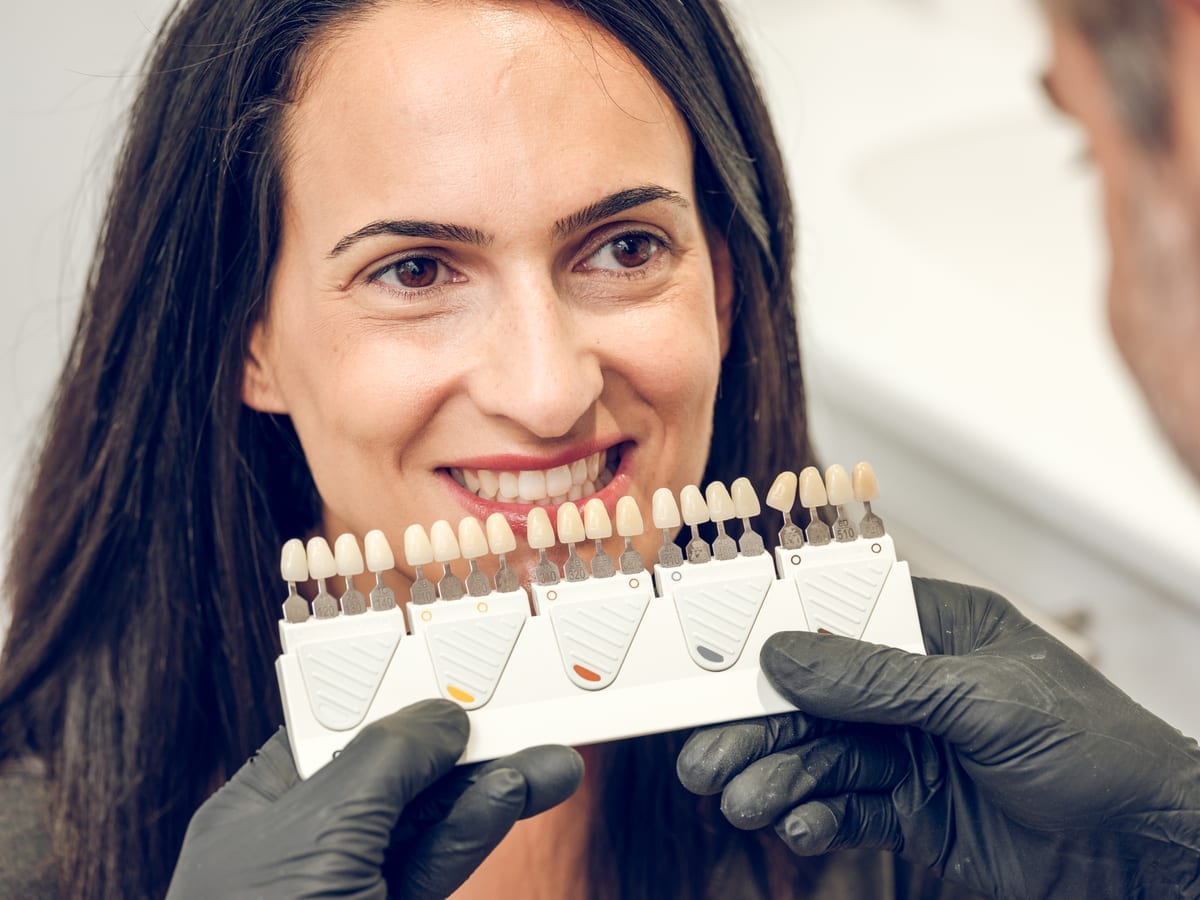
Composite resin is the most popular choice today. This tooth-colored material blends naturally with your smile. It bonds directly to your tooth structure, providing excellent support. Most patients choose composite for visible teeth because it looks completely natural.
Amalgam is a silver-colored mixture of metals. It’s extremely durable and works well for back teeth that handle heavy chewing. Some patients prefer amalgam for its proven longevity and strength.
Your dentist will recommend the best material based on several factors:
- The location and size of your cavity
- The amount of chewing pressure the tooth receives
- Your personal preference for appearance
- The condition of surrounding tooth structure
At Stuyvesant Dental Manhattan, Dr. Basra discusses all options with you. Together, you’ll choose the material that fits your situation best. There’s no single right answer for everyone.
What to Expect During Your Dental Fillings Chinatown Appointment
Knowing the step-by-step process helps reduce anxiety. Here’s exactly what happens during a typical filling appointment from start to finish.
Step 1: Numbing the area. Your dentist applies a topical gel to numb your gum first. Then they give you a local anesthetic injection. This ensures you won’t feel pain during the procedure. You might feel pressure, but not discomfort.
Step 2: Removing decay. Once you’re numb, the dentist uses special tools to remove decayed tooth material. You’ll hear some sounds, but the process is painless. Many patients find this step easier than they expected.
Step 3: Cleaning and preparing. The dentist cleans the cavity thoroughly to remove bacteria. They shape the space so the filling material bonds properly. This step ensures long-lasting results.
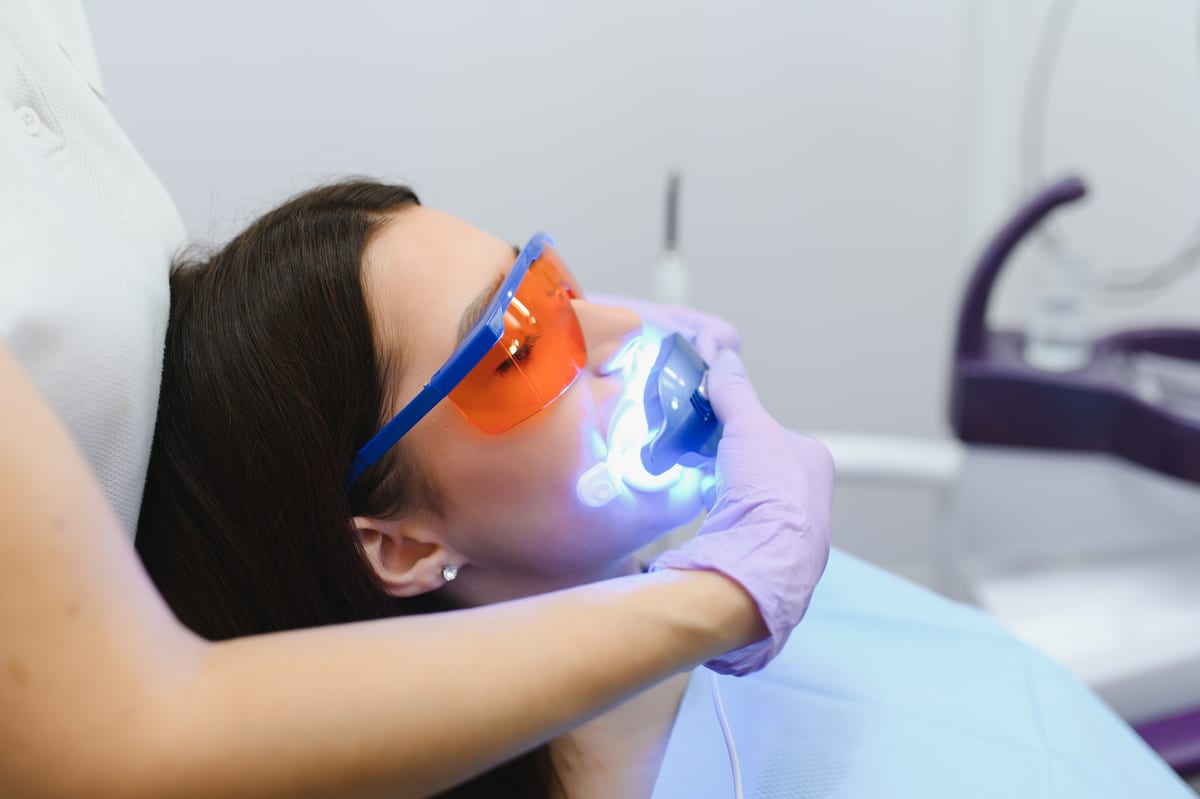
Step 4: Placing the filling. Your dentist carefully applies the filling material in layers. For composite fillings, a special light hardens each layer. The material bonds to your natural tooth structure.
Step 5: Shaping and polishing. Finally, the dentist shapes the filling to match your bite. They polish it smooth so it feels comfortable. You’ll bite down on special paper to check the fit.
The entire process typically takes 30 to 60 minutes. Simple fillings are faster, while larger cavities need more time. Most patients return to normal activities immediately afterward.
What to Bring to Your First Dental Fillings Chinatown Visit
Being prepared makes your appointment smoother and less stressful. Here’s a checklist of items to bring to Stuyvesant Dental Manhattan for your first filling.
- A valid photo ID for verification purposes
- A list of all medications you currently take
- Information about any allergies, especially to medications
- Your dental history records if available
- Headphones and calming music if sound bothers you
- A light jacket since dental offices can feel cool
As we head into late spring in New York, you might be preparing for graduation ceremonies or summer plans. Getting your dental work done now means you’ll have a healthy smile for all those photos. Many Chinatown residents schedule appointments during this season to address issues before busy summer travel begins.
Arrive about 10 minutes early for your first visit. This gives you time to complete any necessary paperwork calmly. Bring a book or download podcasts for the waiting room if that helps you relax.
Managing First-Time Anxiety About Dental Fillings
Feeling anxious about your first filling is incredibly common. Understanding what causes these feelings helps you address them effectively.
Fear of pain tops the list for most patients. Modern dentistry has made fillings virtually painless. The numbing medication works extremely well. Most patients report feeling only slight pressure during the procedure.
Fear of the unknown also creates anxiety. When you don’t know what will happen, your imagination fills in the gaps. Reading this guide gives you accurate information instead of scary scenarios.
Embarrassment about needing a filling affects some people. Remember that cavities happen to everyone. They result from many factors beyond your control. Your dentist provides care without judgment.
Here are practical ways to stay calm during your appointment:
- Practice deep breathing exercises before and during treatment
- Tell the dentist about your anxiety so they can offer extra support
- Establish a signal to use if you need a break
- Focus on the positive outcome rather than the process
- Reward yourself with something enjoyable after your appointment
The team at Stuyvesant Dental Manhattan specializes in helping nervous patients feel comfortable. Dr. Basra explains each step before proceeding. You’re always in control of your treatment pace.
Aftercare: What Happens After Your Filling
Your mouth will feel numb for one to three hours after the procedure. This is completely normal and nothing to worry about. Avoid eating until the numbness wears off to prevent accidentally biting your cheek or tongue.
Some sensitivity to hot or cold temperatures is common initially. This usually disappears within a few days. If sensitivity persists beyond two weeks, contact your dentist for evaluation.
Your bite might feel slightly different at first. Your brain quickly adapts to the small change. If your bite still feels high after a day, call the office. A quick adjustment solves the problem easily.
Taking care of your filling ensures it lasts for years:
- Brush twice daily with fluoride toothpaste
- Floss around the filled tooth gently
- Avoid chewing extremely hard foods on the filled tooth for 24 hours
- Continue regular checkups so your dentist can monitor the filling
Most composite fillings last five to seven years or longer. Amalgam fillings often last 10 to 15 years. Proper oral hygiene extends the life of any filling significantly.
If you’re exploring other ways to maintain your oral health, our comprehensive services page explains the preventive care options available. Prevention always works better than treatment when possible.
Finding the Right Dentist for Your First Filling Experience
Choosing a dentist who understands first-time patient concerns makes all the difference. Look for practices that prioritize patient education and comfort. Dr. Basra’s approach focuses on helping you understand your treatment fully.
Location matters when you’re already feeling nervous. Finding a convenient practice in Chinatown means less travel stress. Stuyvesant Dental Manhattan serves patients from throughout Manhattan, including the East Village, Gramercy Park, and nearby neighborhoods.
Read reviews from other patients to understand their experiences. Pay attention to comments about staff friendliness and pain management. A practice with consistently positive feedback likely provides excellent care.
During your first visit, notice how the team treats you. Do they answer questions patiently? Do they explain procedures clearly? These signs indicate a patient-centered practice.
Don’t hesitate to ask questions before committing to treatment. Good dentists welcome questions and never rush explanations. You deserve to feel completely informed about your dental care decisions.
If you’d like to learn more about Dr. Basra and the practice philosophy, visit our about page to see what sets our approach apart.
Taking the Next Step Toward a Healthier Smile
Getting your first dental filling marks an important step in protecting your oral health. While the idea might seem intimidating now, thousands of patients have sat in that same chair feeling nervous. They discovered the experience was much easier than they imagined.
Early treatment prevents small problems from becoming painful emergencies. The longer you wait, the more complicated treatment becomes. Addressing cavities promptly saves you time, discomfort, and more extensive procedures later.
You now understand what dental fillings involve and what to expect. You know how to prepare for your appointment and manage any anxiety. This knowledge gives you the power to move forward confidently.
The team at Stuyvesant Dental Manhattan looks forward to making your first filling experience as comfortable as possible. Dr. Basra and the staff treat every patient with genuine care and respect. Your concerns matter, and we’re here to address them. Book Now to schedule your appointment with our team.
Frequently Asked Questions
How long does a dental filling appointment take?
Most filling appointments take 30 to 60 minutes from start to finish. Simple, small fillings may take only 20 minutes. Larger cavities or multiple fillings require more time. Your dentist will give you a time estimate based on your specific situation during the initial examination.
Will getting a filling hurt?
No, getting a filling should not hurt due to local anesthesia. You’ll feel the initial numbing injection as a small pinch that lasts just seconds. Once numb, you won’t feel pain during the procedure. You might notice pressure or vibration, but these sensations are not painful. If you feel discomfort, tell your dentist immediately so they can add more numbing medication.
Can I eat immediately after getting a filling?
Wait until the numbness completely wears off before eating, usually one to three hours. Eating while numb risks accidentally biting your tongue, cheek, or lip. Once sensation returns, you can eat normally. For composite fillings, they’re fully hardened immediately. For other materials, your dentist may recommend waiting 24 hours before chewing hard foods on that side.
How do I know if I need a filling?
Only a dentist can definitively diagnose a cavity that needs filling. Common signs include tooth sensitivity to sweet, hot, or cold foods, visible holes or dark spots on teeth, or pain when biting. However, many cavities cause no symptoms in early stages. Regular dental checkups catch cavities before they become painful, making treatment simpler.
What happens if I don’t get a filling for my cavity?
Untreated cavities always get worse over time. The decay spreads deeper into your tooth, eventually reaching the nerve. This causes severe pain and may require a root canal instead of a simple filling. In advanced cases, the tooth may need extraction. Early treatment with a filling prevents these more serious, costly, and painful outcomes.